F1 Qualifying Explained: Results, Times, Q1–Q3 & Grid Penalties
A fan-first guide to reading F1 qualifying results, converting session times, understanding Q1–Q3, deleted laps, Sprint qualifying and penalties that reshape the grid.
Formula 1 schedule guides, race analysis and fan explainers written by F1 Schedule Editorial Team.
A fan-first guide to reading F1 qualifying results, converting session times, understanding Q1–Q3, deleted laps, Sprint qualifying and penalties that reshape the grid.
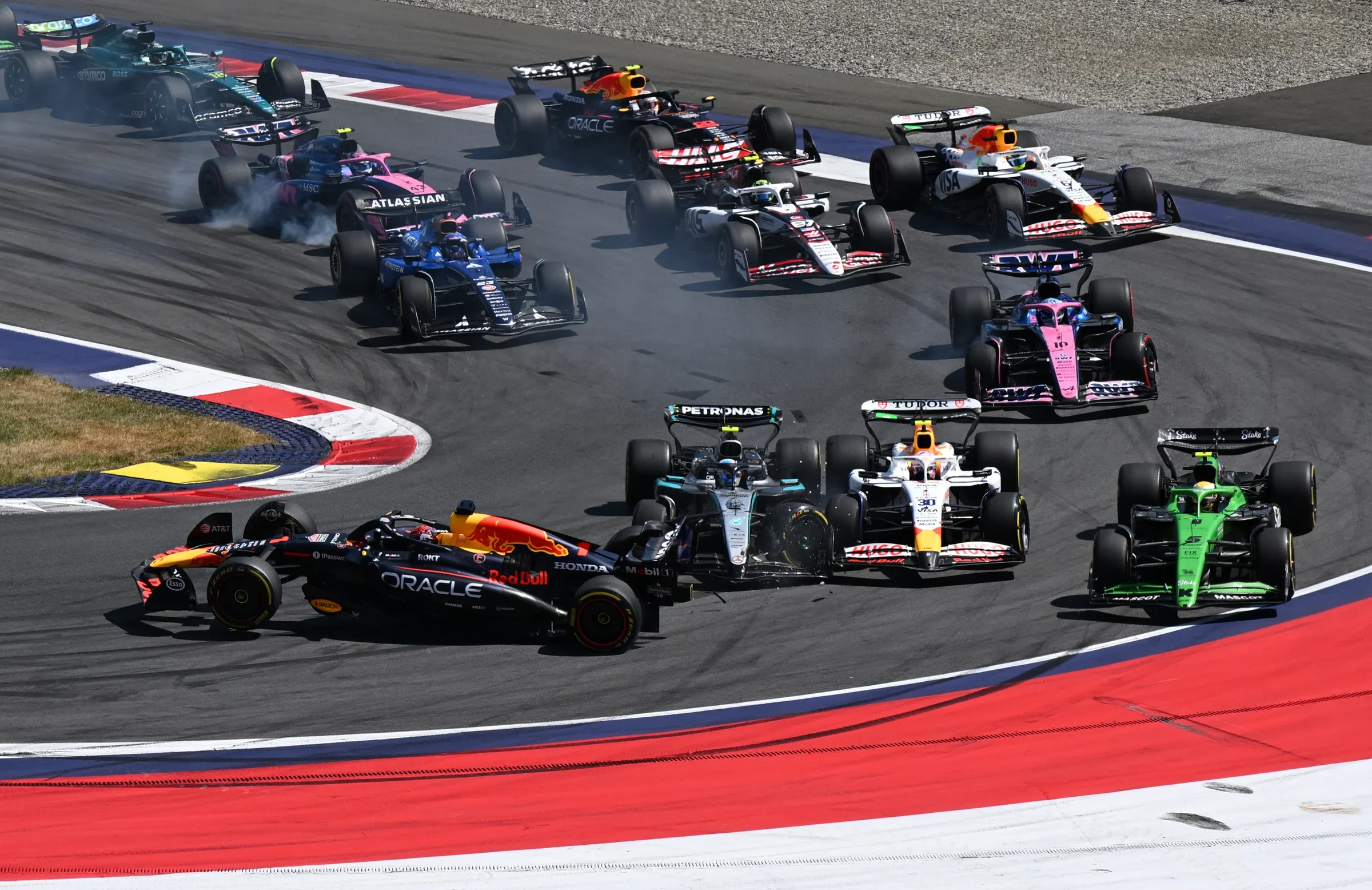
A rulebook-led explanation of how F1 stewards investigate incidents, apply driving standards and penalty guidelines, and where genuine inconsistency can enter the process.
A circuit-aware guide to choosing F1 general admission or a reserved grandstand, covering sightlines, terrain, crowd pressure, weather, mobility and real ticket value.
A post-qualifying, pre-race review of Madring's layout, La Monumental, safety debate, overtaking prospects, track limits and the questions its first F1 race must answer.
Why the revised 2026 Formula 1 calendar contains long gaps and punishing clusters, how triple-headers affect teams, and how fans should read the remaining schedule.
A technical but fan-friendly explanation of 2026 F1 energy deployment, recharge, clipping, Boost and Overtake Mode—and why passes can turn into immediate repasses.
A source-first reconstruction of the Hamilton-Leclerc Monza fight, Ferrari's response, and the rules of engagement the team needs before its drivers race wheel to wheel again.
Lewis Hamilton was 22 years and 70 days old at his 2007 F1 debut. Follow the karting, McLaren, junior-title, Mercedes and Ferrari milestones behind his career.
Understand what F1 teams test in FP1, FP2 and FP3, from systems and aero checks to qualifying simulations, long runs, tyre analysis and parc ferme decisions.
Learn how to read F1 live timing like a race analyst: leaderboard gaps, intervals, sectors, tyre stints, driver maps, team radio and race-control messages.